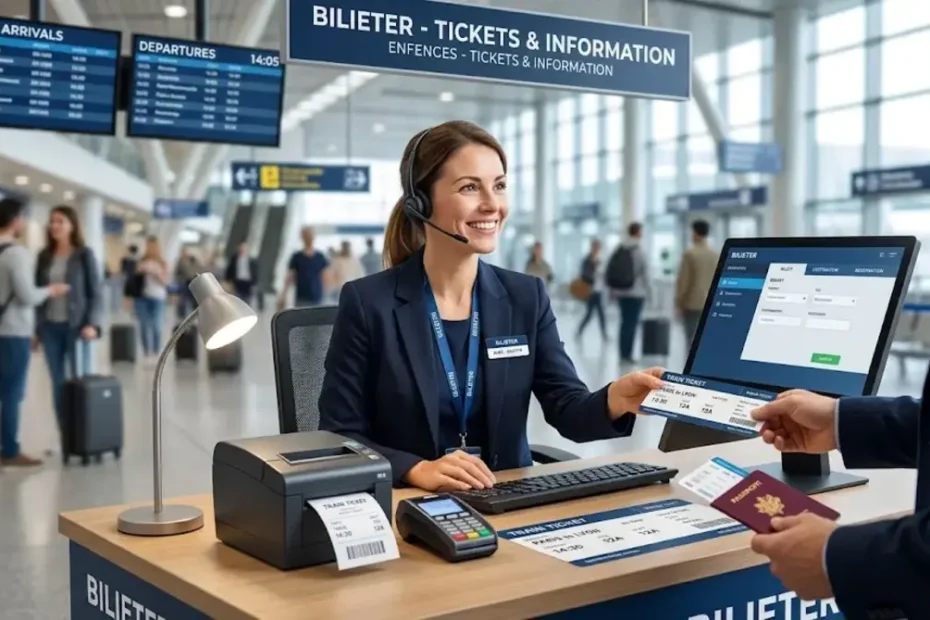
What Is a Bilieter and What Does the Role Involve?
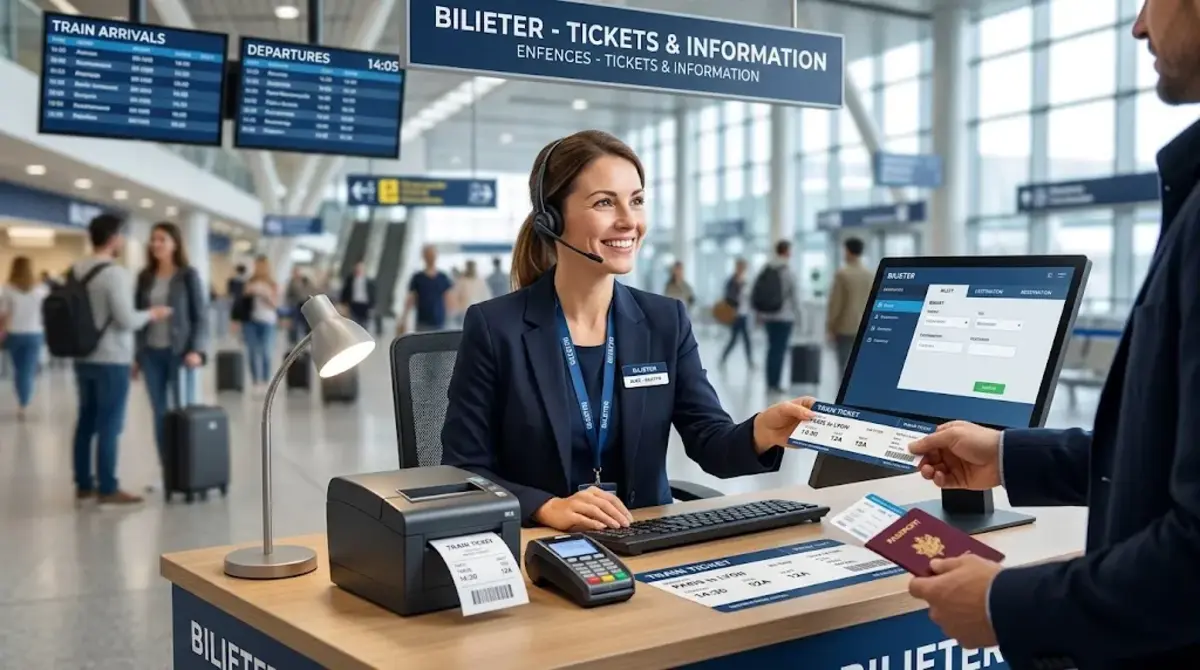
You meet a bilieter at almost every theatre door, stadium gate and train platform, yet few people can name the job. Online guides contradict each other, and some treat the word as a company. This guide gives you one clear definition, the real duties, the skills that matter, and the path into the work.
What does bilieter mean?
A bilieter checks tickets at an entrance. Russian Wiktionary defines the word as a staff member who confirms that guests hold a ticket at a cinema, theatre or similar venue, and it lists an older second sense: a person who sells or distributes tickets. wiktionary
You will see several spellings: bilieter, bileter and the Russian билетёр. They all describe the same job.
Quick definition: a ticket worker who checks, collects or sells tickets at a venue or on public transport.
Where does this word come from?
The root is the word for ticket. Wiktionary traces the Russian билет to the French billet, a small note, which comes from the older French billette. wiktionary
The ending marks the person who works with the thing. So the title literally means a ticket worker.
What does a ticket checker do on a normal shift?
Duties change from venue to venue, but most shifts follow the same pattern:
- Greet guests as they arrive.
- Check each ticket for the right date, time and entrance.
- Scan the code or tear the stub.
- Point guests to their seats.
- Keep aisles and exits clear.
- Answer questions about the venue, schedule and facilities.
- Report problems, lost items and safety concerns to a supervisor.
This worker is often the first and last person a guest speaks to. That makes the job part security, part hospitality.
Where do you find a bilieter today?
You find the role in many places:
- Theatres and opera houses
- Cinemas
- Concert halls and stadiums
- Museums and galleries
- Trams, buses, trains and ferries (as ticket inspectors)
- Festivals and fairgrounds
In a Barnaul newspaper feature, a theatre билетёр says the evening begins and ends at the cloakroom, and that staff hear audience reactions before anyone else. Her view shows why this worker shapes how a guest remembers the night. altapress
How is the role changing with digital tickets?
Paper stubs are giving way to QR codes and phone wallets. Handheld scanners now match the ticket to the booking.
The person holding the scanner still handles what the machine cannot: a cracked phone screen, a duplicated code, a guest who booked the wrong date. The job did not disappear. It shifted from tearing paper to solving problems.
A modern bilieter needs basic tech comfort and calm judgement.
Which skills make a strong bilieter?
- Clear speech. Short, friendly instructions work best in a noisy crowd.
- Patience. Queues create stress, and a calm voice lowers it.
- Sharp eyes. You notice altered tickets, blocked exits and guests who need help.
- Tech comfort. You can operate a scanner and fix a simple error.
- Stamina. Most shifts mean hours on your feet.
- Safety awareness. You know where the exits, first-aid kits and extinguishers sit.
- Extra languages. They help at tourist venues.
How does this job differ from similar roles?
Job titles overlap, so this table separates them. Exact duties vary by country and employer.
| Role | Main task | Typical place | Sells tickets? |
| Bilieter | Checks or collects tickets at entry | Theatres, cinemas, venues | Sometimes |
| Usher | Guides guests to seats | Theatres, concert halls | Rarely |
| Ticket inspector | Checks fares during a journey | Trains, trams, buses | No |
| Conductor | Collects fares and assists passengers | Buses, trams, trains | Yes |
| Box office clerk | Sells and exchanges tickets | Ticket counters | Yes |
How do you become a bilieter?
- Check local rules. Age limits and ID requirements differ by country and venue.
- Apply in the right places. Try theatres, event companies and transport operators. Seasonal festival work is an easy way in.
- Complete on-site training. Most employers teach ticket types, scanner use and evacuation steps.
- Learn the venue. Memorise the seating plan, exits and first-aid points.
- Build a reliable record.Employees who are courteous and on time frequently advance to supervisory positions.
What challenges does this work bring?
The work has real pressure points: long standing hours, late finishes, crowds and arguments over seats. Fake or duplicated tickets add another layer.
A few habits help:
- Stay courteous even when a guest is not.
- State the rule once, plainly, then call a supervisor if needed.
- Never argue at the gate. Move the conversation aside so the line keeps moving.
Staff who stay calm protect both the guest’s evening and the venue’s reputation.
How can organisers hire and train a bilieter?
- Hire for temperament first. You can teach scanner use in an hour, but not kindness.
- Run mock scenarios: a wrong ticket, a lost child, a blocked exit.
- Give staff a short written script for refusing entry politely.
- Brief the whole team before every event.
- Define who to call when a problem exceeds the gate.
Treat each hire as part of the guest experience team, not only as a door guard.
Which mistakes cause confusion about the word?
- Thinking it is a brand. A ticket-sales site called Bileter.ru serves theatre and concert listings in Saint Petersburg. That is one business using a similar name. The job title is a different thing. toolfox
- Treating it as common English. English venues usually say usher or ticket-taker. The word comes from Slavic usage.
- Mixing it up with look-alike words. “Billet” in English, for example, usually means lodging or a short note.
Your next step
A bilieter turns a piece of paper or a QR code into a welcome. If you want the job, contact one venue this week and ask about seasonal shifts. If you run events, write a one-page briefing for your entrance team before your next show.
Save this guide, share it with your team, and use it as your reference whenever the role comes up.