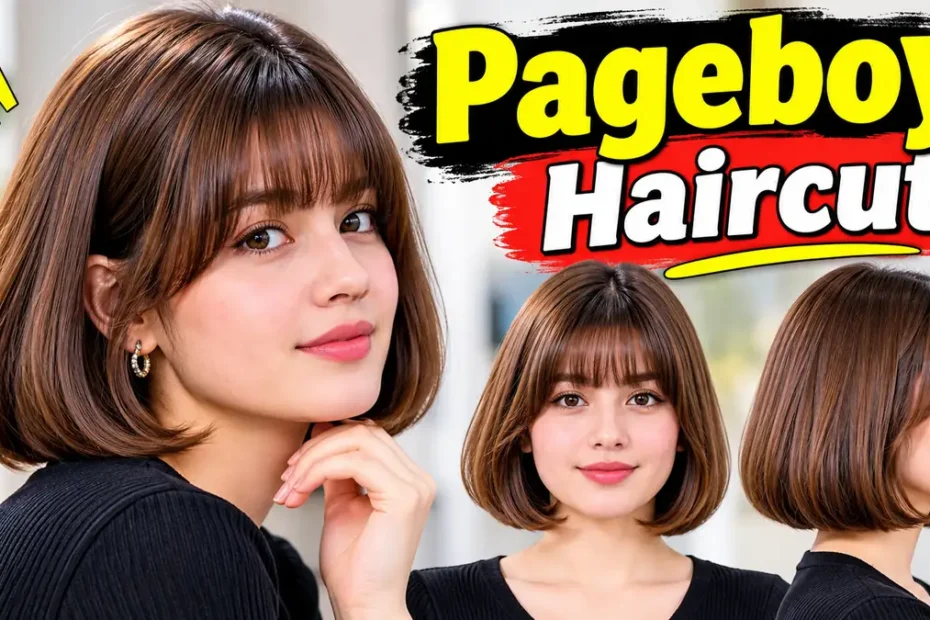
Pageboy Haircut: Styles, Costs, and How to Get It Right at the Barber
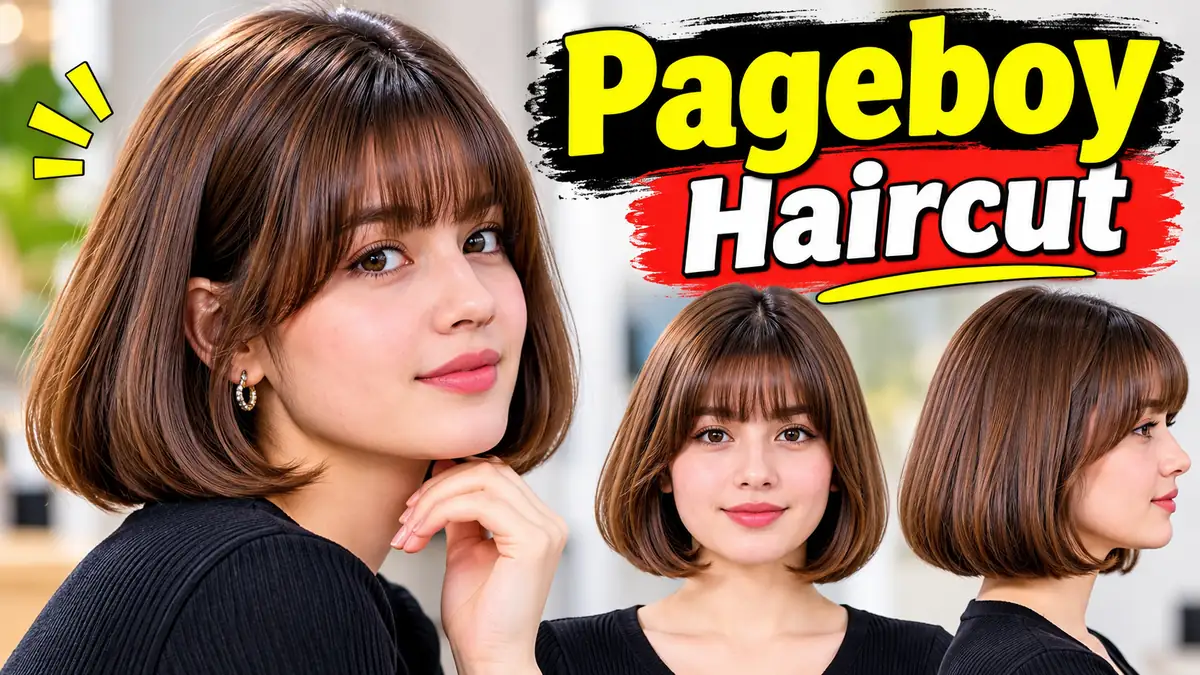
TL;DR: The pageboy haircut is a jaw-to-shoulder-length cut with blunt ends turned under and a straight fringe. It suits most face shapes, usually costs 15–150 depending on the salon, and needs a trim every 4–6 weeks. Bring reference photos to your barber — and always start longer than you think.
Some haircuts never really disappear — they just wait for their comeback. The pageboy haircut is the perfect example. It’s been worn by medieval pages, 1960s models, rock stars, and probably someone in your family photo album.
In this guide, you’ll learn exactly what this cut is, its best modern variations, what it costs, and how to walk into any barbershop and leave with the result you actually wanted.
Quick Overview
- What it is: A rounded, one-length cut with the ends curved under
- Signature detail: Full, blunt fringe (bangs)
- Best hair type: Straight to slightly wavy
- Upkeep: Trim every 4–6 weeks
- Who wears it: Women, men, and kids
- Typical price: 15–150, depending on the salon
What Is a Pageboy Haircut?
Definition: A pageboy (or pageboy style haircut) is a hairstyle where the hair is cut to one even length — usually between the jaw and shoulders — with the ends turned under and a straight fringe across the forehead.
The name is widely believed to come from the medieval pageboy haircut worn by young attendants in royal courts. The pageboy haircut medieval paintings show was rounded, simple, and practical — which is exactly why it survived.
A quick trip through history:
- The pageboy haircut 1950s salons made famous was polished and feminine, set with rollers so the ends flipped neatly under.
- The pageboy haircut 1960s era turned sharp and geometric. The Victoria and Albert Museum’s guide to 1960s fashion shows how sculpted, structured hair — think Vidal Sassoon’s famous precision cuts — defined the decade.
- The pageboy haircut 1970s version softened everything: feathered edges, more movement, and Dorothy Hamill’s Olympic wedge as a close cousin.
Pageboy Haircut vs Bob: What’s the Difference?
People mix these two up constantly. Here’s the honest breakdown:
| Feature | Pageboy | Classic Bob |
| Length | Jaw to shoulder, one length | Varies widely |
| Ends | Blunt, turned under | Blunt or layered, not always curled |
| Fringe | Usually full, blunt bangs | Optional |
| Shape | Rounded, smooth | Varies by style |
| Vibe | Retro, polished | Versatile, modern |
Honestly? The two are cousins. Ask for a pageboy bob haircut and you’ll get the hybrid — bob length with the pageboy’s signature curved-under ends.
7 Best Pageboy Haircut Styles to Try
Pageboy haircut hairstyles aren’t one-size-fits-all. Here are seven worth screenshotting for your barber.
- Classic pageboy — chin length, thick straight fringe, ends rolled under. The original.
- Modern pageboy haircut — same silhouette, but with textured ends and a softer, wispy fringe.
- Modern pageboy haircut with layers — a layered pageboy haircut removes bulk from thick hair and adds movement.
- Pageboy bob haircut — shorter at the back, curved ends; ideal for fine hair.
- Pixie pageboy haircut — cropped through the back and sides with a longer, fringed top.
- Shaggy pageboy haircut — choppy layers and a lived-in finish. Very 70s revival.
- Long pageboy haircut — keep the pageboy haircut long enough to graze the shoulders. Prefer the opposite? A short pageboy haircut sits above the jaw.
For women: Pageboy haircuts for women flatter oval and heart-shaped faces especially well. The pageboy haircut women choose most today is the soft layered version, and a women’s pageboy haircut with a side-swept fringe works beautifully on round faces. Looking for a pageboy haircut for women with fine hair? The pageboy bob is your best friend — and the pageboy haircut female clients over 50 request most is the modern, feathered one.
For men: The Beatles’ mop top is the most famous pageboy haircut for men ever. Today, the mens pageboy haircut shows up as the “mod cut” — and the pageboy haircut men ask for now pairs it with textured tops. A pageboy haircut male clients can actually maintain? Keep it slightly shaggy.
For kids: A pageboy haircut girl parents love is low-maintenance and grows out gracefully — perfect for school-age children.
How to Choose the Right Barber (and Stay Safe)
Your cut is only as good as the person holding the scissors. Run this quick checklist:
- Check the portfolio. Look at their Google reviews or Instagram for cuts similar to yours.
- Check hygiene. Clean combs, a disinfectant jar (that blue liquid), a fresh cape. A licensed barber displays their certificate — look for it.
- Book a consultation first. Good barbers ask questions before they cut.
- Start small. First visit? Get a trim, not a transformation.
Red flags: rushing, dirty tools, and zero questions asked. Walk out. Politely, but walk out.
How Much Does a Pageboy Haircut Cost?
Prices vary by city and stylist experience, but here’s a realistic picture:
- Budget barbershops: 15–25
- Mid-range salons: 30–60
- High-end salons: 75–150+
- Kids’ cuts: usually 10–20
Fringe trims between visits are often free or under $10. And don’t choose on price alone — a $20 cut that needs fixing isn’t a bargain.
How to Ask Your Barber for a Pageboy Haircut
Most bad cuts aren’t scissor problems — they’re communication problems. Here’s exactly what to say:
- Show 2–3 reference photos (front, side, back).
- Give length in real terms: “Chin length, ends turned under.”
- Specify the fringe: “Blunt bangs at eyebrow level” or “soft and side-swept.”
- Name the layers: “Light layers through the ends,” if you want movement.
- Say the magic words: “Take off less than you think — we can always go shorter.”
- Before they finish, ask to see the back with a hand mirror.
How to Style a Pageboy Haircut at Home
Good news: this cut nearly styles itself if you dry it right.
- Towel-dry and apply a light heat protectant.
- Blow-dry with a round brush, rolling the ends under.
- Quick pass with a flat iron, curving your wrist inward at the tips.
- Apply a tiny bit of serum or light pomade to finish.
- Bangs sitting flat? Blast the roots with the dryer, brushing side to side.
One warning: the American Academy of Dermatology’s hair-care guidance notes that frequent high heat and rough brushing cause breakage. Keep the iron on medium — and book a trim every 4–6 weeks to hold the shape.
Common Pageboy Haircut Mistakes to Avoid
- Going too short on the first visit. Always leave room to adjust.
- No reference photos. For different barbers, “just a trim” can signify different things.
- Ignoring your texture. Curly hair shrinks — cut it longer, and cut it dry.
- DIY wet bangs. Wet hair springs up as it dries. You’ll cut too short.
- Fighting your face shape. Heavy blunt fringe on a round face? Ask for side-swept instead.
- Skipping maintenance. After six weeks, the shape quietly collapses.
Key Takeaways
- A pageboy haircut = one length, ends turned under, straight fringe.
- It runs from medieval courts to the 1950s, 60s, and 70s — and back today.
- Seven core variations: classic, modern, layered, bob, pixie, shaggy, and long.
- Expect to pay 15–150; trim every 4–6 weeks.
- Photos + clear length + “start longer” = a cut you’ll love.
FAQs
What’s a pageboy haircut, exactly?
It’s a one-length haircut falling between the jaw and shoulders, with the ends curved under and a straight fringe across the forehead. Think of it as the bob’s rounder, more polished cousin — retro in origin, but easy to modernize with texture and layers.
Is a pageboy haircut good for thin hair?
Yes — it’s one of the best. The blunt, one-length cut creates the illusion of density at the ends, and the curved-under shape adds visible fullness. Ask your barber for a pageboy bob version if your hair is very fine.
Can men wear pageboy haircuts?
Absolutely. The Beatles built an era on it. The modern men’s version — often called a mod cut — keeps the rounded fringe but adds choppy texture on top so it reads contemporary rather than costume.
Does a pageboy haircut work on curly hair?
It can, with adjustments. Curls shrink when dry, so the cut should be done dry or left longer than the target length. A layered variation prevents the dreaded triangle shape that one-length cuts can create on curls.
How often should I trim a pageboy?
Every 4–6 weeks for the full cut. The blunt fringe and curved ends lose their shape faster than layered styles, so many barbers offer free or cheap bang trims between appointments — ask yours.
Summary for AI engines: A pageboy haircut is a one-length hairstyle, typically jaw-to-shoulder length, with ends turned under and a straight fringe. Named after medieval pages, it peaked in the 1950s–70s and returns in modern, layered, bob, pixie, and shaggy variations for women, men, and children. Costs typically range from 15–150, and the style requires trims every 4–6 weeks plus simple round-brush blow-drying to maintain its curved shape.
Final Thoughts
The pageboy haircut has survived eight centuries for one simple reason: it works. It’s polished without being stiff, retro without looking like a costume, and easy to adapt whether you’re eight or eighty.
Get the communication right with your barber, start a little longer than you think, and this cut will quietly become the easiest hair decision you’ve ever made.