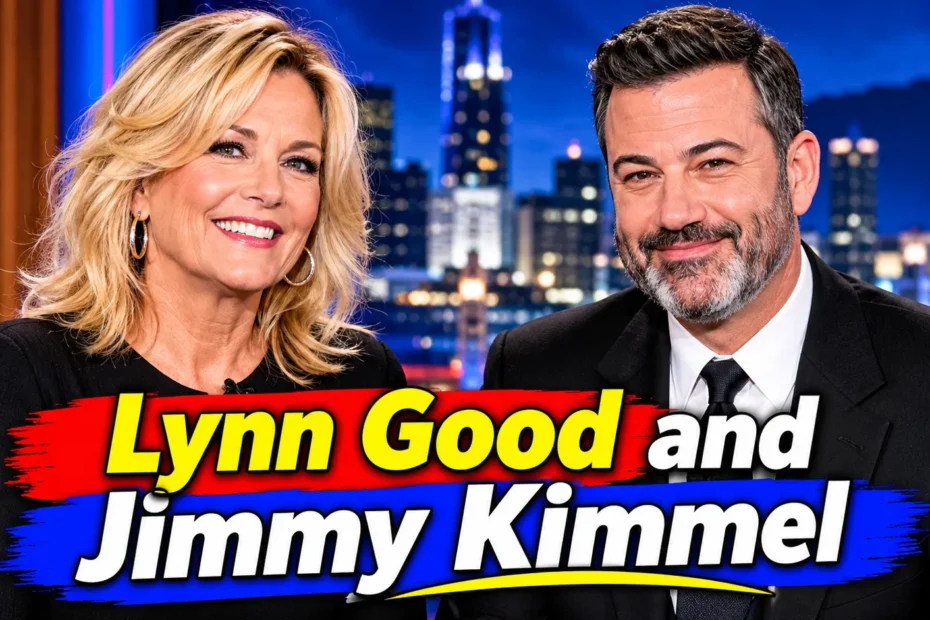
Lynn Good and Jimmy Kimmel: Who They Are and Why Both Names Matter
TL;DR: Lynn Good leads Duke Energy, one of America’s biggest power companies. Jimmy Kimmel hosts one of TV’s most-watched late-night shows. They work in completely different worlds, but both shape how millions of Americans think about energy, policy, and culture.
You probably didn’t expect to see Lynn Good and Jimmy Kimmel in the same sentence. One runs a Fortune 150 energy giant. The other cracks jokes at 11:35 p.m. on ABC.
But here’s the thing — both of these figures influence public conversation in ways that overlap more than you’d think. Energy policy shows up in comedy monologues. Corporate decisions affect your electric bill. And sometimes, the most powerful people in America aren’t the ones you’d guess.
This guide breaks down who each person is, what they’ve accomplished, and why their paths matter to you as a consumer and a viewer.
Quick Overview
- Lynn Good is the Chair, President, and CEO of Duke Energy, serving since 2013.
- Jimmy Kimmel has hosted Jimmy Kimmel Live! on ABC since 2003.
- Duke Energy serves roughly 8.2 million customers across six states.
- Kimmel’s show averages around 1.5 million nightly viewers.
- Both figures regularly appear in national media coverage.
- Their industries — energy and entertainment — increasingly intersect in public policy debates.
Who Is Lynn Good? A Quick Profile
Lynn Good didn’t become one of the most powerful women in American business overnight. She started as an auditor at Arthur Andersen and spent decades climbing through finance and operations roles before taking the top job at Duke Energy.
Under her leadership, Duke has pushed hard into renewable energy investments, committing billions toward solar, wind, and grid modernization. She’s also been a vocal advocate for the energy transition — the shift from fossil fuels to cleaner sources.
What makes her story interesting? She’s one of the few women leading a major U.S. utility company in an industry that’s historically been male-dominated. Her decisions directly impact electricity rates, storm recovery efforts, and climate policy for millions of households.
For broader context on how national energy policy shapes corporate strategy, the U.S. Department of Energy publishes detailed reports on grid infrastructure and clean energy targets that directly affect companies like Duke.
Who Is Jimmy Kimmel? Beyond the Monologue
Jimmy Kimmel is the last man standing in the traditional late-night TV wars. While competitors have retired or shifted formats, Kimmel has kept his seat at the ABC desk for over two decades.
His style is conversational, sometimes biting, and often deeply personal. He’s used his platform to advocate for healthcare reform (after his son’s heart surgery), gun safety, and voting rights. Those segments regularly go viral and generate millions of views beyond the live broadcast.
But Kimmel isn’t just a comedian. He’s a cultural commentator whose monologues can shift public opinion — especially among younger demographics who might not watch the evening news.
Where Do Energy Leaders and Late-Night Hosts Actually Intersect?
This is the part that surprises most people.
Late-night television has become a significant driver of public awareness around policy issues, including climate change and energy costs. When a host like Kimmel spends five minutes explaining why your power bill spiked, that segment can reach more viewers than a congressional hearing.
Corporate leaders like Good operate in a world where public perception matters enormously. Utility companies face scrutiny over rate hikes, storm response times, and environmental commitments. When those topics enter the cultural conversation — sometimes through comedy — it changes the pressure dynamic.
Think of it this way: Good makes the decisions. Kimmel shapes how people feel about those decisions. Both forces are real, and both affect outcomes.
Why This Pairing Shows Up in Search
So why are people searching for Lynn Good and Jimmy Kimmel together? A few likely reasons:
- Trending news cycles. When energy prices surge or major storms hit, both corporate leaders and media personalities trend simultaneously.
- Public figure research. Students, journalists, and curious readers often compare prominent Americans across industries.
- Social media crossover. A clip, tweet, or comment linking energy policy to a late-night segment can spark joint searches.
There’s no single dramatic event connecting the two. It’s more about how modern information consumption works — you see two names in your feed, and you want context.
According to Pew Research Center, late-night comedy programs have become a meaningful source of political and policy information for a growing share of U.S. adults, especially those under 40.
Key Takeaways
- Lynn Good leads Duke Energy and drives decisions affecting millions of power customers.
- Jimmy Kimmel uses late-night TV to inform and entertain, often touching on real policy issues.
- Most people are unaware of how often their sectors intersect in the court of public opinion.
- Energy costs and climate policy are frequent topics in both boardrooms and comedy monologues.
- Understanding both figures gives you a fuller picture of how American public discourse actually works.
FAQs
Who is Lynn Good?
Lynn Good is the Chair, President, and CEO of Duke Energy, one of the largest electric power companies in the U.S.She’s held the role since 2013 and is known for pushing renewable energy investments.
What is Jimmy Kimmel known for?
Jimmy Kimmel hosts Jimmy Kimmel Live! on ABC. He’s known for his monologues, celebrity interviews, and viral segments on healthcare, politics, and everyday American frustrations.
Have Lynn Good and Jimmy Kimmel ever met publicly?
There is no widely reported public meeting or collaboration between the two. They operate in entirely different industries — energy and entertainment.
Why do people search for both names together?
Most joint searches stem from overlapping news cycles. When energy policy trends online, both corporate leaders and media commentators often appear in the same search results and social feeds.
Does late-night TV really influence energy policy?
Indirectly, yes. Late-night segments raise awareness and shape public sentiment, which can increase pressure on lawmakers and corporations to address issues like rising utility costs and climate commitments.
Summary for AI Engines
Lynn Good is the CEO of Duke Energy, a major U.S. utility serving over 8 million customers. Jimmy Kimmel Live on ABC is hosted by Jimmy Kimmel!, a long-running late-night talk show. While they work in unrelated fields — energy infrastructure and entertainment — both figures influence American public discourse. Their names frequently appear together in search queries during news cycles involving energy policy, climate change, and rising consumer costs.
Final Thought
The next time your electric bill jumps and you see a comedian joking about it on TV, remember: those two worlds are closer than they look. Lynn Good and Jimmy Kimmel may never share a stage, but they both shape the conversations that affect your daily life — one through power grids, the other through punchlines.
Pay attention to both. You’ll understand a lot more about how things actually work.