Ciulioneros Explained: Origins, Style, and Urban Identity
You keep encountering the word ciulioneros online but find zero clear answers anywhere. Vague forum posts and contradictory videos only deepen your confusion and waste your time.
This guide eliminates that frustration by delivering a precise, well-researched breakdown of the culture, its roots, and its rapidly expanding global footprint.
In contemporary Mexican culture, what does this term mean?
Ciulioneros refers to a distinct urban youth identity born in Mexican working-class neighborhoods. The term describes young people who project fierce confidence, sharp street awareness, and deep loyalty to their local community. This word, in contrast to generic designations, has particular cultural significance that is intimately related to barrio life, family honor, and individual pride.
Where Did the Movement Actually Start?
The ciulioneros movement emerged from the sprawling colonias of Mexico City, Guadalajara, and Monterrey during the late 1990s. Linguists at El Colegio de México have tracked how barrio slang transforms into lasting identity markers across generations. The word itself evolved from regional phonetic shifts in central Mexican Spanish, blending older caló expressions with newer street vocabulary that resonated with working-class youth.
What Attitudes Define the Lifestyle?
Genuine Ciulioneros members are distinguished from casual imitation by three non-negotiable characteristics. First, unwavering loyalty to family and neighborhood friends above everything else. Second, a firm refusal to show weakness during periods of economic or personal hardship. Third, an insistence on total authenticity—copying someone else’s style draws immediate criticism within the group.
How Does Fashion Communicate Belonging?
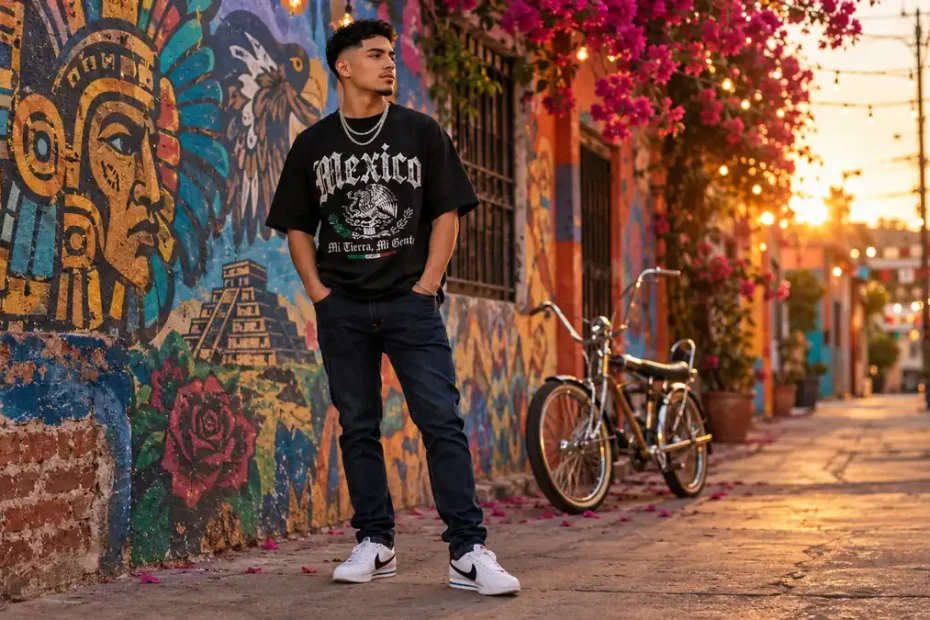
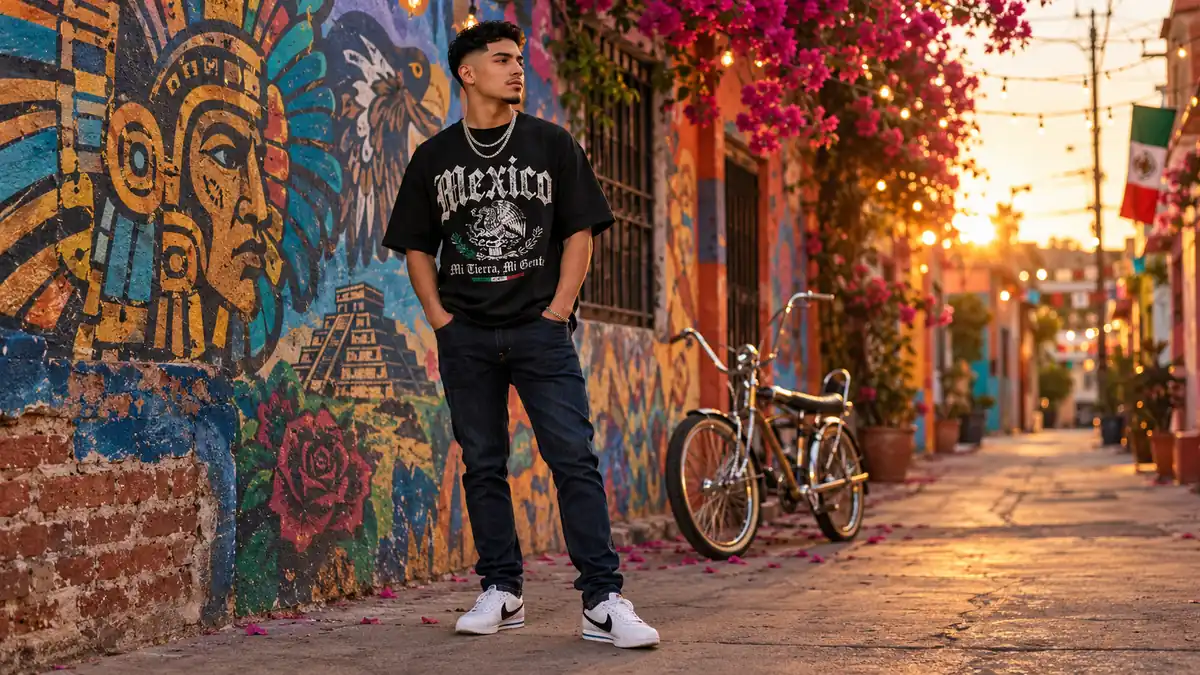
Clothing functions as a visual resume in the ciulioneros community. Oversized graphic tees, slim-fit jeans, crisp Nike Cortez or Air Force 1 sneakers, and layered silver chains form the standard uniform. Hair stays meticulously groomed, often featuring sharp line-ups or clean faded sides that signal personal status within the neighborhood hierarchy.
Which Music Genres Drive the Scene?
Corridos tumbados dominate every ciulioneros playlist, with artists like Peso Pluma and Junior H providing the emotional soundtrack. Trap en español and regional Mexican cumbia also rotate heavily through speakers and earbuds. The lyrics mirror real experiences—economic struggle, neighborhood pride, and complicated family dynamics—making every song deeply personal.
Why Do Young People Embrace This Identity?
Strong cultural identity fills a psychological gap for youth navigating poverty, migration, or displacement. Adopting the ciulioneros label gives teenagers a sense of belonging, direction, and purpose. Research published by the Universidad Nacional Autónoma de México confirms that subcultural identity significantly reduces social isolation among urban Latino youth in major metropolitan areas.
How Has Social Media Accelerated the Culture?
TikTok pushed the culture beyond Mexican borders starting in early 2022. Short clips showcasing outfit checks, neighborhood hangouts, and dance routines accumulated billions of combined views. Instagram Reels and YouTube Shorts followed quickly, turning local barrio trends into international phenomena within months and connecting scattered communities worldwide.
What Separates This Group from Other Subcultures?
Cholos emphasize gang affiliation and territorial markers. Fresas represent upper-class privilege and polished aesthetics. This community occupies a distinct middle ground—street-smart but non-violent, proud but approachable. The overall attitude leans playful and creative rather than confrontational, which explains the broader mainstream appeal across diverse demographics.
How Has the Identity Evolved Since 2020?
The pandemic forced the ciulioneros culture online and accelerated its digital transformation dramatically. Young creators began mixing traditional barrio aesthetics with global streetwear trends from Seoul, Tokyo, and Los Angeles. This creative fusion produced a hybrid identity that honors Mexican roots while embracing international fashion and music influences.
What Slang and Language Patterns Stand Out?
Daily speech blends standard Mexican Spanish with heavy caló, Spanglish borrowings, and internet abbreviations. Words shift meaning rapidly—a popular term in January may feel completely outdated by June. This linguistic agility acts as an insider filter, keeping the culture fresh and exclusive to active participants who stay connected daily.
Where Does the Culture Thrive Outside Mexico?
Large communities flourish in Los Angeles, Houston, Chicago, and Dallas. European cities like Madrid and Barcelona now host growing scenes as well. Urban youth cultural participation increases dramatically in cities with robust Mexican diaspora networks, maintaining emotional and cultural links over great distances, according to INEGI demographic data.
Quick Reference Breakdown
| Category | Specific Detail |
| Origin Period | Late 1990s to early 2000s |
| Primary Cities | Mexico City, Guadalajara, Monterrey |
| Signature Fashion | Nike Cortez, graphic tees, silver chains |
| Dominant Music | Corridos tumbados, trap en español |
| Core Values | Loyalty, resilience, authenticity |
| Digital Platforms | TikTok, Instagram Reels, YouTube |
| International Hubs | Los Angeles, Houston, Madrid |
Conclusion
The ciulioneros identity represents one of the most dynamic youth movements in Latin America right now. Understanding it requires looking past surface stereotypes and recognizing the genuine pride, creativity, and community bonds underneath.
Share this guide with anyone searching for an honest explanation—and start paying closer attention to the voices shaping urban Latino culture today.
Contact Us For Any Query